
Artificial intelligence is becoming part of the college admissions process on both sides of the application. Students can use it to explore schools and organize their preparation. Admissions offices are deciding where it belongs in their own work, from processing documents to helping review written responses.
For families applying in 2026, including students preparing for fall 2027 entry, this raises understandable questions. Will a person read the application? Is using AI allowed? Does a student need a different strategy now?
AI is changing parts of the process, but there is no single approach shared by every college. Understanding what individual institutions actually say is more useful than assuming that admissions has become an automated competition. Here are the developments that matter and how students can respond.
Colleges Are Using AI in Different Ways
The phrase “AI in admissions” can describe very different activities. Processing a transcript, reviewing an essay, and deciding whether to admit a student are separate tasks. Families should be cautious about headlines that treat them as interchangeable.
Penn provides a useful example. In its guidance on integrity and AI in admissions, the university says its staff remain responsible for evaluating applications and making admissions decisions. It describes AI use for administrative support, including document processing, transcript interpretation, and preliminary transfer credit review. Staff review and confirm the outcomes before they affect an applicant’s file.
Virginia Tech has announced a different use. Its July 2025 admissions update introduced AI-assisted essay review for the 2025–26 admissions process, describing faster and more consistent review as intended benefits.
These examples show why neither “AI decides who gets in” nor “colleges never use AI to review applications” is a reliable blanket statement. Look for a school’s published explanation of the task being supported and the human oversight involved.
Students Have More Ways to Start Their Research
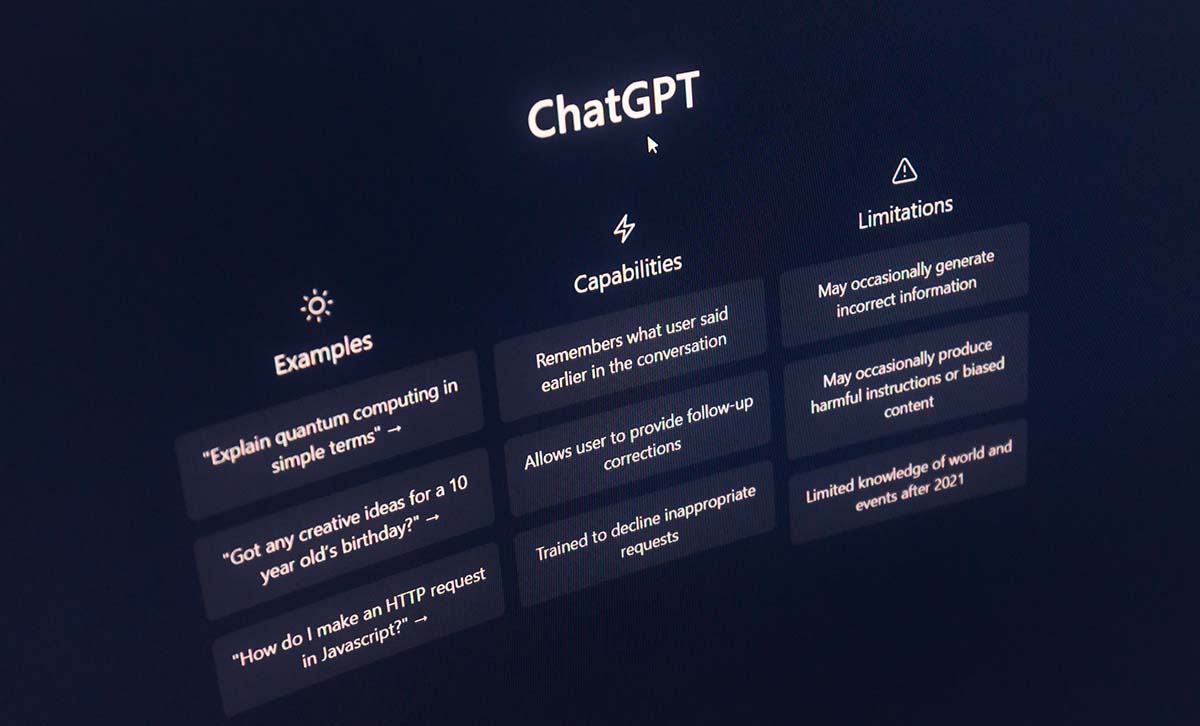
 For a student facing an unfamiliar process, a conversational tool can provide a starting point. It can explain admissions vocabulary, suggest questions for a campus visit, or help turn a list of tasks into a weekly plan.
The important next step is verification. Before relying on information about a deadline, testing requirement, scholarship, or major, check the college’s official website. Make sure the information applies to your entry year and applicant category.
For example, a student interested in engineering might ask AI for questions to investigate about different programs. Those questions can guide research into curriculum, access to a preferred major, and internship opportunities. The student should then confirm the answers directly with each institution.
AI can help organize that work, but choosing colleges still requires personal judgment. Academic interests, affordability, location, and the environment where a student will thrive deserve careful discussion. Our high school consultations offer a place to begin connecting those priorities with a college plan.
Application Policies Now Address AI More Explicitly
Students should not assume that a familiar tool is acceptable for every application task. Colleges have published different boundaries around AI assistance, particularly for essays.
Yale’s AI policy permits uses such as grammar and spelling review, general advice, and initial topic suggestions. It treats submission of substantive AI-generated content as application fraud.
Caltech’s ethical AI guidelines identify AI-generated outlines and drafts, replacing a student’s voice, and AI translation of an essay as unacceptable uses. The guidelines allow certain limited activities, including generating brainstorming questions and reviewing grammar and spelling.
For students, the practical lesson is to check policies before using a tool. Keep a note of the relevant guidance for every school receiving your writing. If you plan to reuse an essay, its preparation needs to be consistent with the rules of each destination college.
If a particular use is unclear, ask admissions directly. A teacher’s classroom policy or a friend’s experience at another school does not establish what your college allows.
Authenticity Requires Attention Across the Application
The conversation about AI often centers on personal statements, but students make claims throughout an application. Activities descriptions, project summaries, and explanations of academic interests also need to be accurate.
Our advice is to review those claims closely. If you helped organize a fundraiser, describe your actual responsibilities. If you completed a group research project, explain your individual contribution. Avoid accepting wording that inflates your role simply because it sounds stronger.
Keep notes about meaningful projects as you complete them: what you attempted, what changed, and what you learned. Those details can help you write clearly and discuss your work naturally if asked.
As you prepare your college applications, consider whether the materials tell a consistent, honest story. Someone reading your essay and activities list should be learning about the same student, with the same interests and experiences.
AI Predictions Should Not Determine Your College List

A tool may produce a precise-looking percentage when asked about admission chances. Before trusting it, ask what evidence supports that number. Does it account for the intended major, the applicant’s context, and the institution’s current selection process?
Even official admissions statistics have limits. The University of California’s guidance on first-year admit data cautions that its figures are general indicators of selectivity, not predictors of an individual student’s chances. It also notes that aggregated data can conceal differences in competition among majors.
Our recommendation is to treat an AI-generated prediction as a claim to examine, not a reason to remove every ambitious choice or assume admission is secure. Build a balanced list that includes academically appropriate and financially realistic options you would be happy to attend.
For students changing institutions, the research becomes more specific. Preparing transfer applications requires careful attention to prerequisites and credit requirements. Confirm those details with the receiving college rather than relying on a generated summary.
Faster Tools Do Not Automatically Make Admissions Fairer
AI creates opportunities to make information and basic planning assistance more accessible. It also raises questions about how institutions check accuracy and account for different student backgrounds.
Families can ask useful questions without assuming either that technology is inherently fair or that every use is harmful. What information does the system process? Who checks its output? How can an applicant correct an error?
These questions matter because speed and sound judgment are different measures of success. An efficient process still needs to recognize the context behind a student’s achievements.
UC’s published comprehensive review factors, for example, include academic opportunities, life circumstances, and responsibilities alongside achievement. Students should continue explaining relevant context clearly instead of assuming a tool or reviewer will infer it.
A Sensible Application Strategy for 2026
Start with the work that remains within your control: thoughtful course choices, sustained involvement, accurate records, and enough time to prepare your applications.
Use permitted tools for specific tasks with clear boundaries. Verify information against official sources, write your own responses, and review every submission carefully. Avoid building your strategy around speculation about hidden algorithms or supposed keywords that guarantee favorable treatment.
Parents can help by encouraging steady progress and asking questions without taking over the writing. Students should be able to explain the choices behind their applications and recognize themselves in the finished materials.
Planning With a College Counselor
Working with a college counselor can help students and families interpret changing admissions guidance and turn a large amount of information into a practical plan. A counselor can help evaluate college options, organize deadlines, and provide feedback while keeping the student responsible for their work. At Growing Minds, we encourage thoughtful preparation that reflects each student’s interests and goals. Explore our college planning and application services to find support for navigating college admissions in 2026 with greater clarity and confidence.