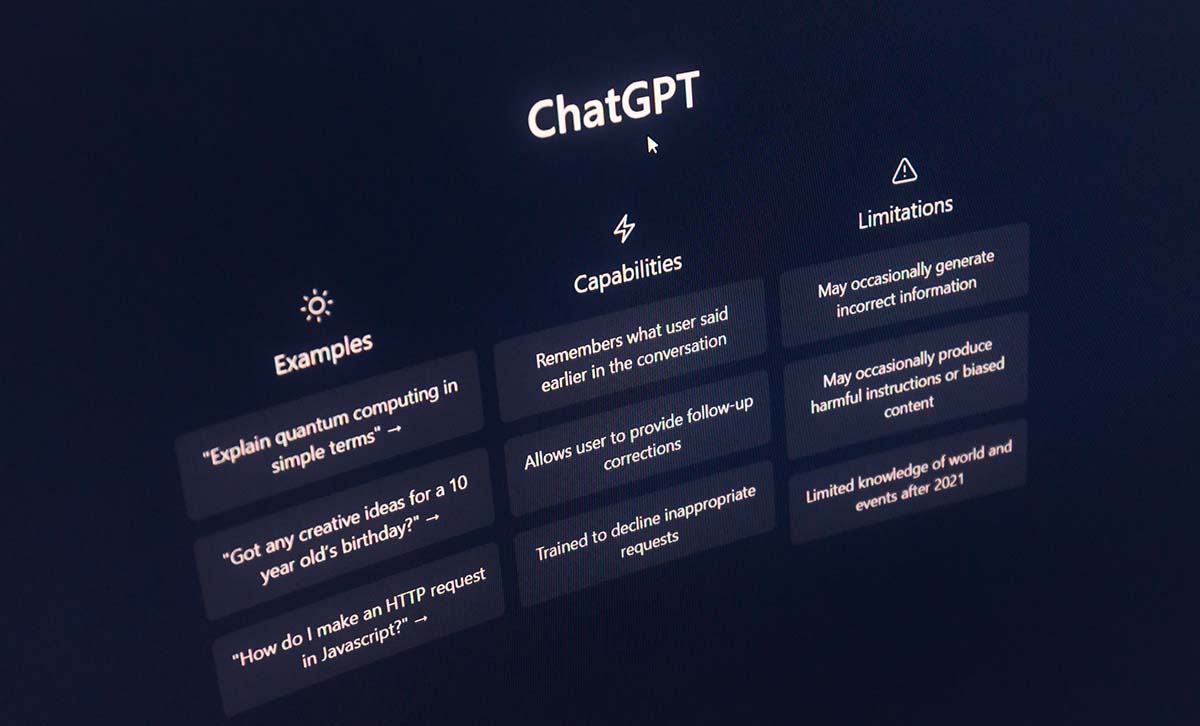
You have a college essay to write, a deadline approaching, and a blank document on your screen. ChatGPT can produce a polished response in seconds. It is easy to understand the temptation, especially when you are balancing classes, activities, and several college applications.
But should you use AI to write your college essay?
Our recommendation is to write the essay yourself. Limited AI assistance may be acceptable under a college’s rules, but asking a chatbot to create your story, draft paragraphs, or rewrite your voice can compromise both the essay and the integrity of your application.
For students and parents, the challenge is understanding where helpful support ends and someone else’s authorship begins. Here is how to approach AI tools thoughtfully while keeping your application personal and honest.
What Your College Essay Needs to Communicate
Your transcript shows your academic performance. Your activities list describes how you spend your time. Your essay gives you space to explain what those experiences mean to you.
Consider two students who both volunteer at an animal shelter. One might write about learning to stay patient with a frightened dog. The other might explore how organizing adoption records sparked an interest in improving everyday systems. The activity is similar, but the thinking behind it is different.
That thinking is the substance of a personal essay. Before worrying about impressive language, ask yourself what you noticed, what you did, and why the experience stayed with you.
As you work through your college applications, consider what your essay adds to the rest of your materials. It should help a reader understand something meaningful that a list of accomplishments cannot explain on its own.
What Colleges Say About AI in Application Essays
Always read the current admissions instructions for each college on your list. Permission to use a tool in a classroom does not automatically extend to an admissions application.
Yale’s admissions AI policy draws a clear distinction: submitting substantive AI-generated content constitutes application fraud, while using AI for grammar or spelling review, general advice, or initial topic suggestions does not. Yale also warns that submitting responses composed by text-generating software can lead to admission being revoked or expulsion.
Caltech’s guidance on ethical AI use identifies AI-generated outlines and drafts, direct copying, replacing a student’s voice, and AI translation of an essay as unacceptable uses. Its examples of acceptable assistance include grammar and spelling review, brainstorming questions, and research about the application process.
Applicants should also review the Common App Fraud Policy, which Yale references in its own guidance.
These examples show why “I only used it to help” is not a precise enough standard. The specific task matters. If a college’s instructions leave your intended use unclear, contact its admissions office before proceeding.
How AI Can Weaken a Personal Essay

AI-generated writing can sound smooth while leaving the reader with very little sense of the person applying. A paragraph about perseverance may be grammatically strong but vague about what actually happened.
Imagine replacing a specific memory of practicing a difficult piano passage every afternoon with a broad statement about discovering the power of dedication. The replacement may sound more formal, but it removes the detail that made the experience yours.
Another risk is accepting an interpretation you never reached yourself. A chatbot might frame an ordinary disagreement as a major turning point or assign a lesson that does not match how you felt. Even when the underlying event is real, that framing can make the essay less truthful.
Our advice is to keep asking: Would I describe this experience this way? Can I explain why this detail matters? Am I choosing these words because they are accurate, or because they sound impressive?
You do not need a dramatic life event or an extraordinary vocabulary. Start with an experience you can discuss honestly and examine closely.
Where Limited AI Assistance May Fit
If your colleges permit it, narrow assistance can be easier to manage than an open-ended request to “improve my essay.” Set boundaries before using any tool.
For brainstorming, you might ask for reflection questions without supplying personal information or requesting an essay topic and storyline. Then answer those questions independently. Your memories and conclusions should drive the writing.
For proofreading, ask a permitted tool to identify possible spelling or grammar errors and explain them. Review each suggestion yourself. A feature that corrects a typo is different from one that replaces a paragraph with newly generated language.
Avoid assuming that every feature within the same app has the same status. A spelling checker and a generative rewrite button perform different jobs, even when they appear beside each other.
If you are early in the planning process, high school consultations can also provide a setting to discuss your interests, academic choices, and goals before application deadlines become urgent.
What to Avoid

We recommend avoiding requests that hand over the central writing decisions, such as asking AI to:
Write a personal statement from your activities list.
Create an opening scene or an emotional conclusion.
Invent an experience, accomplishment, or personal insight.
Rewrite the essay to make you sound more sophisticated.
Produce a draft that you plan to personalize afterward.
Changing a few words in an AI-generated draft does not make its underlying work your own. Similarly, supplying true facts about yourself does not automatically make a chatbot’s resulting essay your original writing.
The same authorship boundary should apply to human help. A parent, tutor, or counselor can ask questions and offer feedback; the student should retain responsibility for the ideas, wording, and final choices.
A Practical Process for Writing Your Own Essay
Start by making a short list of moments you remember clearly. Include ordinary experiences: a responsibility at home, a frustrating project, an unexpected conversation, or a question you kept pursuing after class.
Choose one and write freely about it. Describe what happened, what you were thinking, and what you understand differently now. Do this before trying to create a polished introduction.
Next, reread the actual prompt. Decide which parts of your draft answer it and which parts wander away. Build your own structure around the strongest material.
Ask a trusted reader for specific feedback: Where is the story confusing? What needs an example? Which sentences do not sound like me? Use those observations to revise the essay yourself.
Finally, read it aloud, check the word limit, and verify every factual detail. Keep your notes and earlier drafts so you can revisit how your ideas developed. Give yourself time between revisions; it is easier to notice unclear writing when you return with fresh attention.
What If You Already Used AI?
First, identify exactly how you used it. A spelling check is different from generating the first draft. Compare that use with each college’s current requirements.
If AI supplied substantial writing, return to your own notes and write a fresh version independently. Avoid using the generated draft as a template or trying to disguise its wording. If you have already submitted work that may violate a policy, seek guidance from the relevant admissions office about how to address it honestly.
Transfer applicants should take the same care with authorship. When preparing transfer applications, focus on explaining your academic direction and reasons for seeking a different college through your own experiences and observations.
Getting Essay Support From a College Counselor
Working with a college counselor can help you move past the blank page while keeping the essay your own. A counselor can ask thoughtful questions, help you evaluate possible topics, and point out where a draft needs more clarity or reflection. At Growing Minds, we encourage students to approach their applications with purpose and an authentic voice. If you would like guidance, explore our college planning and application services and take the next step toward an essay that communicates who you are.